
by The Wall Street Journal | 11 Feb, 2025
Why Airlines Are Racing Into Connecticut
Upstarts are having success there and in other suburbs, but travelers say some details still need to be worked out
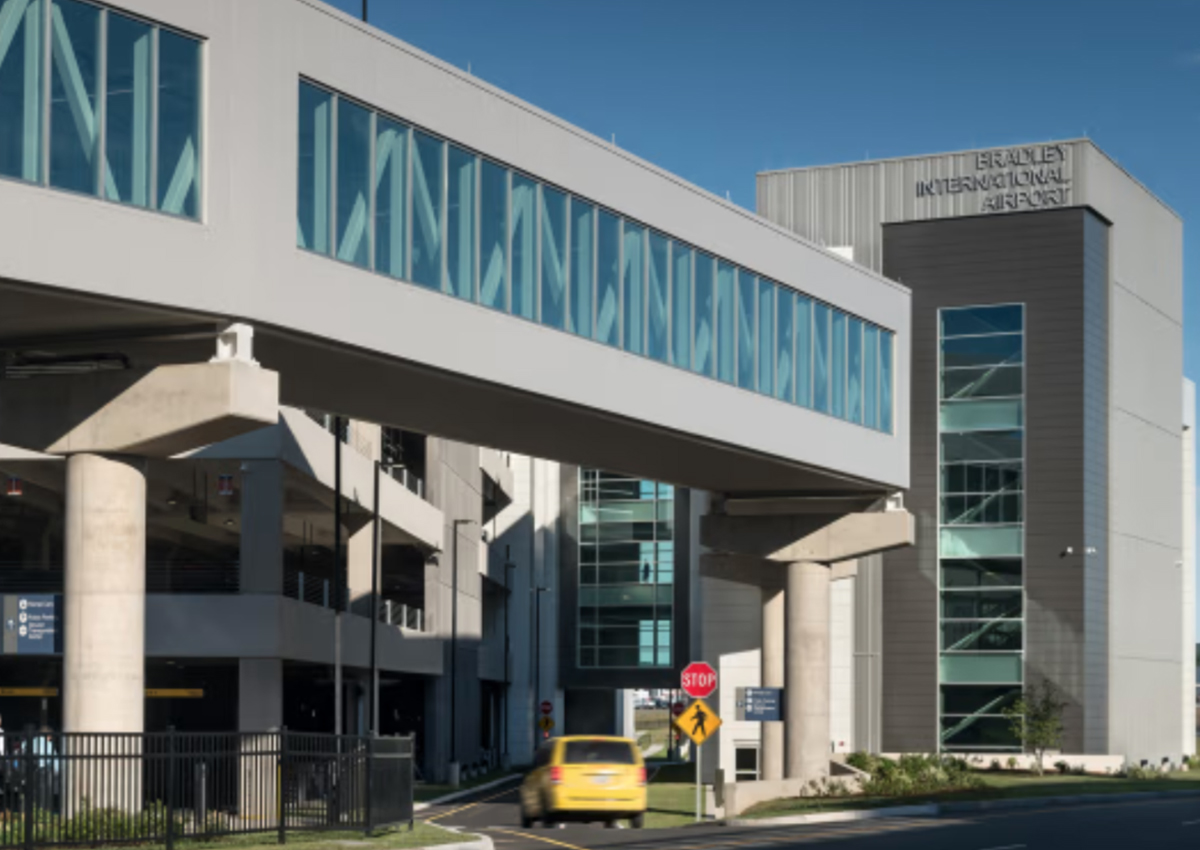
Upstart carriers Avelo Airlines and Breeze Airways have established small hubs in Connecticut’s Bradley International Airport and Tweed New Haven Airport. Carriers including JetBlue and Spirit also have added routes from the state.
Analysts say the rise of regional airports there and in places like Virginia, North Carolina and Florida should inspire people to travel more often. That is certainly the case for David Bradt, a 32-year-old resident of southern Connecticut. Bradt and his wife have taken to planning their vacations around the destinations they can fly to out of Tweed, 20 miles from their home.
“The flights are so cheap that it gives me an excuse to check out a new city I’ve never been to,” Bradt says. Among the places he has visited are Savannah, Ga., and Destin, Fla. Charleston, S.C., is next on his list.
Driving to New York City to fly out of major airports like LaGuardia Airport and John F. Kennedy International Airport is a hassle, he says, even if they offer more options. The drive home from JFK can take as long as some flights, Bradt says.
There are a lot of travelers like Bradt in Connecticut, industry executives say. Airport operator Avports, which runs Tweed, was attracted by the large number of potential customers, says Jorge Roberts, the company’s CEO.
The aviation industry focuses on an airport’s catchment area, a term that refers to the broader population living within a certain radius from the facility. Tweed’s catchment area includes between two million and three million people, depending on how you define it, Roberts says. Bradley International Airport in Hartford has a similar customer base.
Before the recent expansion of those airports, many of the travelers in these affluent regions drove to hubs in Boston or New York.
“The region is strong, and it’s also been significantly underserved,” says Lukas Johnson, Breeze’s chief commercial officer.
Mark Lassoff grew up in Connecticut and recalls having to wake at the crack of dawn as a child to schlep down to LaGuardia to fly for a family vacation. “I remember missing flights because of traffic going into the city,” he says.
Lassoff, 50, now lives in Milford, just 15 minutes from Tweed. As service has expanded thanks to the growth of Avelo and Breeze, he says he travels more frequently than he did in the past, including weekend trips down to visit his parents who now live in South Florida.
“I’ll just go whenever it suits me,” he says. “I can leave on a Friday, be back on a Sunday and not miss any time from work.”
Connecticut isn’t alone. The Philadelphia suburb of Wilmington, Del., and Lakeland, Fla., between Tampa and Orlando, are markets with similar dynamics, says Avelo Chief Executive Andrew Levy.
“I’ve recognized the ability and seen the value of going into airports that are underutilized,” Levy says, “because of the convenience that affords customers.”
Avports CEO Roberts likened his firm’s choice to develop Manassas Regional Airport in Virginia to the rise of Tweed. He believes that the airport will appeal to ultralow-cost carriers and provide an alternative to Dulles International Airport and Ronald Reagan Washington National Airport.
Building up a small airport isn’t without its challenges. Tweed’s expansion has drawn the ire of residents around New Haven over air and noise pollution. Such expansion is arguably necessary to attract larger carriers.
JetBlue has regularly looked at whether to operate flights out of Tweed, the airline says. But the airport’s short runways pose a challenge for the aircraft the company currently flies to the markets it would serve out of Connecticut.
And then there’s the crowding. When Rebecca Hunter traveled to Atlanta out of Tweed in early January, she got a text message warning her to arrive three hours ahead of time. She did so, arriving at 4 a.m., but encountered long lines. Hunter says she and other travelers had to wait outside the terminal in the cold to check luggage or to go through security.
Once she cleared, the 28-year-old says she was dismayed to find few options for food. Limited seating was another problem.
“As we got closer to when flights were starting to go out, it got jam-packed, and people were just sitting on the floor or standing shoulder to shoulder,” she says. “It felt like you were more at a concert than an airport just because of how crowded it was.”
Avports’s Roberts attributed the crowding to busier flight schedules in the mornings on peak travel days. He says the airport is working to resolve the issue within the next month.
Others worry that smaller airports may lose some of their charm as they get bigger. “If I couldn’t find parking, that would be horrible,” says Bradt.
Write to Jacob Passy at jacob.passy@wsj.com
Go to News List page to check more news...
News List